Is it ever reasonable to pay $7,930 for a dress, or $1,170 for a wallet, when the fabric itself might cost a fraction of that? With Bottega Veneta, the answer sits in the craft — the intrecciato weave, the leather sourcing, the fact that almost nothing carries a visible logo. This is a house that has built its entire value proposition on the idea that quality should announce itself, not the branding. Whether that’s worth the price tag depends on which piece you’re looking at, and what you’re actually buying it for.
Brand Origin & Philosophy
Bottega Veneta was founded in Vicenza, Italy in 1966, built around a single technical signature: intrecciato, the woven leather technique that remains the house’s most recognisable output nearly sixty years later. The brand’s long-running tagline — “When your own initials are enough” — sums up the philosophy. There’s no monogram canvas, no logo plastered across the front of a bag. The recognition comes from construction, colourway, and silhouette instead. Under creative director Louise Trotter, the house has continued to lean into quiet materials and confident proportions rather than branding as a shortcut to status.
What They Do Best
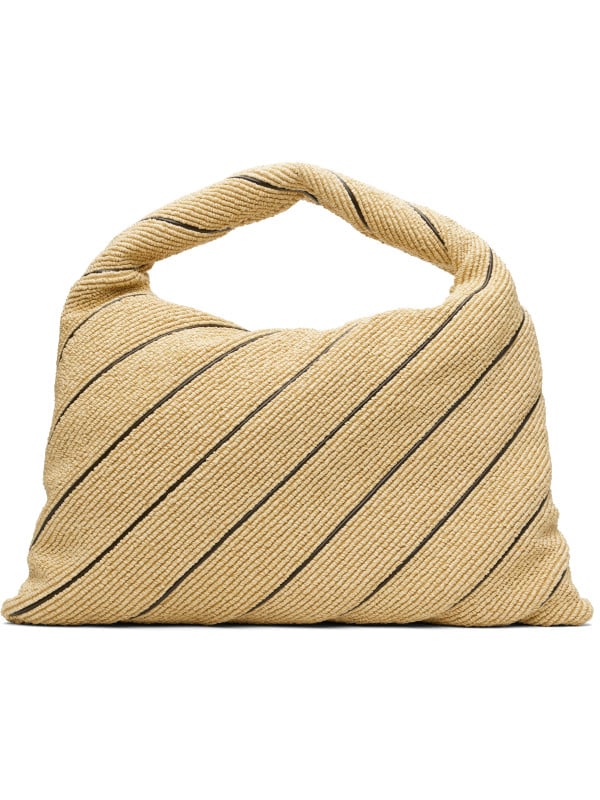
Leather goods are where Bottega Veneta earns its reputation, and the woven bags in particular are the clearest expression of that. The Beige Large Hop Bag ($7,550) and the Brown New Small Hop Intrecciato Bag ($6,590) both show the intrecciato weave at its most structural — the leather strips are woven into the panel itself rather than applied as surface decoration, which is what gives Bottega bags their characteristic softness and drape even in a structured shape.
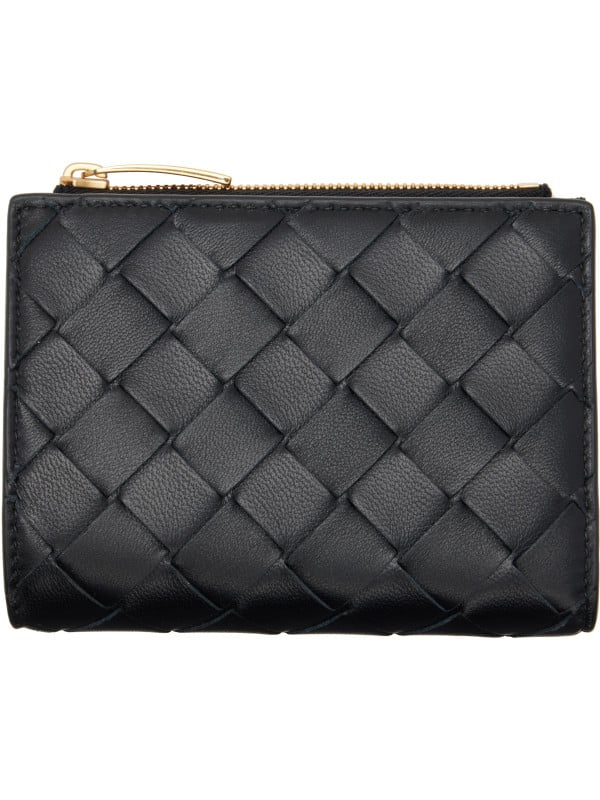
Smaller leather goods carry the same construction logic at a lower entry point. The Black Intrecciato Small Bi-Fold Wallet at $1,170 is the most accessible item in this edit, and it’s arguably the best proof of concept for anyone deciding whether the house’s leather quality justifies the premium before committing to a four-figure bag. The woven panel construction is identical in technique to what appears on the bags — it’s simply a smaller surface.
Bags dominate the range for good reason. The Black Square Knot 20 Bag ($6,980), the Black Small Ciao Ciao Silky Calf Bag ($7,460), and the Beige Small Parachute Bag ($6,670) each take a different structural approach — a sculptural knot closure, smooth calf leather with a softer silhouette, and a rounded parachute shape respectively — but all sit in the same $6,500–$7,500 band, which is where the house’s core handbag pricing lives.
Where to Set Expectations
Ready-to-wear is a smaller, more considered part of the range, and it’s priced accordingly. The Ruffled Midi Dress ($7,930) and the Strapless Wool Midi Dress ($6,610) sit at the very top of this collection’s price range — higher, in fact, than most of the leather bags. These are occasion pieces rather than everyday rotation items, built around specific silhouettes (ruffled detailing, a strapless wool column) rather than versatile basics. Buyers coming to Bottega Veneta expecting a deep, easy-to-wear clothing line will find the offering narrower than the accessories side. This is a house whose design energy goes into bags, footwear, and small leather goods first.

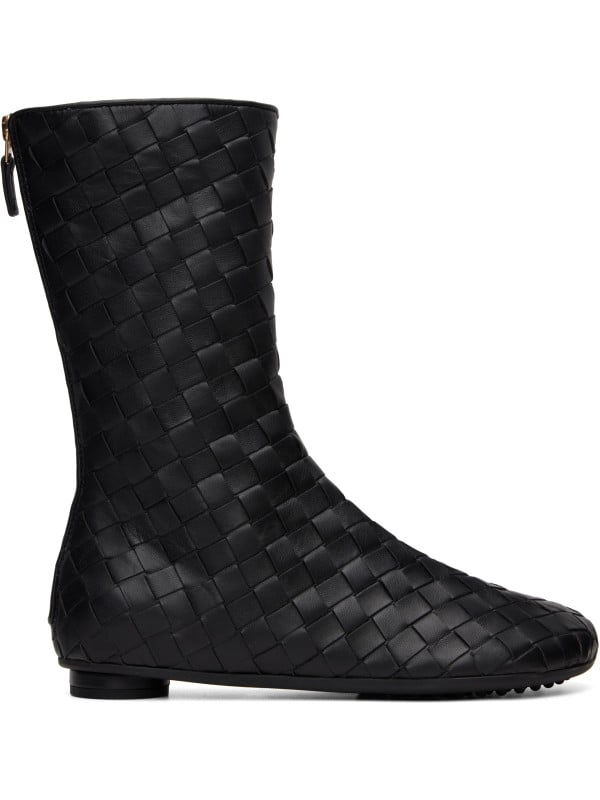
Footwear follows the same architectural approach as the bags. The Black Anatomic Boots at $2,690 are named for their sculpted, foot-shaped sole unit — a signature Bottega silhouette that trades traditional boot proportions for something closer to a moulded shell. It’s a distinctive shape rather than a classic one, which means it reads better on someone who wants a conversation piece than someone looking for a boot that will disappear into a capsule wardrobe.
Price Positioning
Across this edit, prices run from $1,170 to $7,930, averaging around $5,217 — a spread that puts Bottega Veneta squarely in the same tier as Loewe. Both houses charge comparable sums for structural, craft-led leather goods and both avoid loud external branding, but the two read differently on the body: Loewe leans into playful, sculptural shapes and puckish detailing, while Bottega Veneta stays with the woven leather and clean lines that have defined it since the 1960s. If Loewe’s Puzzle or Hammock bags feel too whimsical, the Hop or Knot styles here are the more restrained alternative at a similar spend.
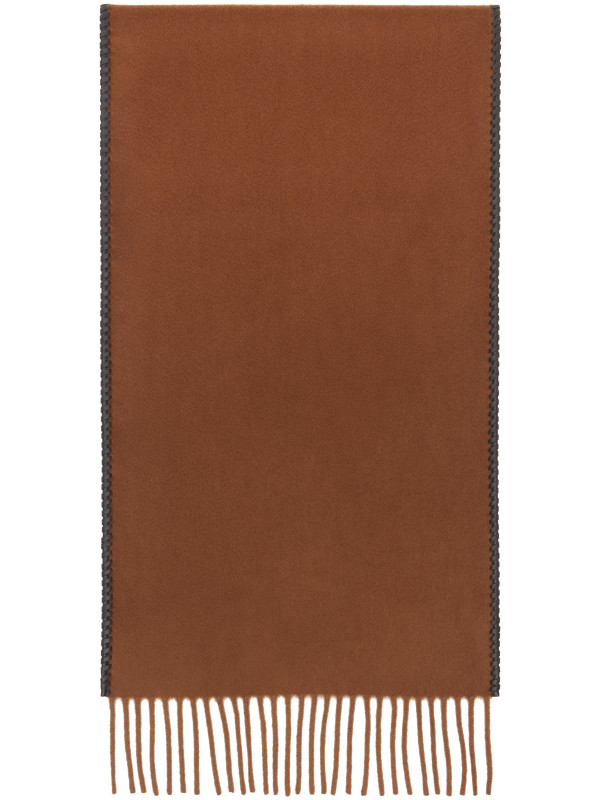
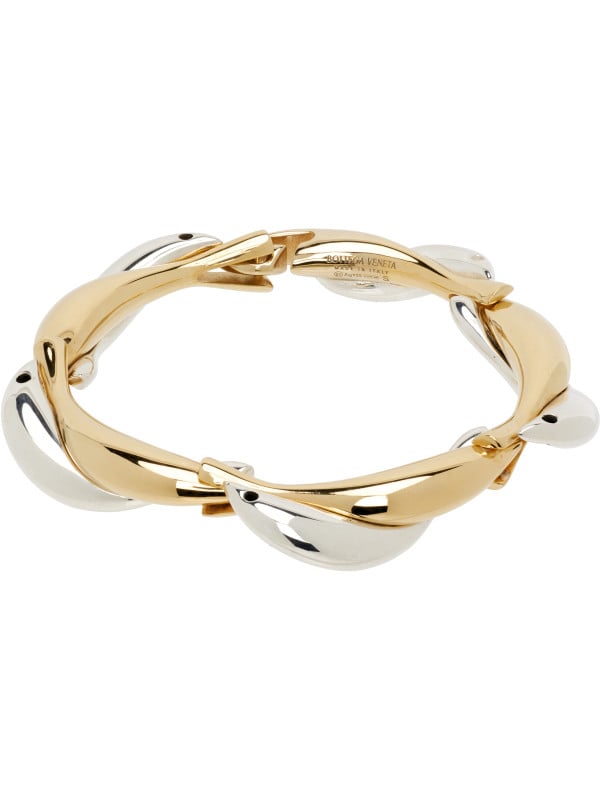
Accessories offer the more approachable entry points. The Tan Cashmere Scarf ($2,640) and the Sardine Bracelet ($3,370) sit mid-range within the collection, and both function as a lower-commitment way to own the house’s design language without stepping up to bag-level pricing. The scarf in particular has the longest practical lifespan of anything in this range — cashmere doesn’t date the way a seasonal bag silhouette can.
The Off-White Concert Pouch ($2,940) rounds out the smaller leather goods at a price that’s still a meaningful spend but well under the flagship bags, making it a reasonable second-tier option for someone who wants Bottega’s leather construction without the four-figure bag commitment.
Best Picks From This Edit
- Best entry point: The Black Intrecciato Small Bi-Fold Wallet ($1,170) — the most affordable way to own the signature weave.
- Best everyday bag: The Brown New Small Hop Intrecciato Bag ($6,590) — compact proportions with the full woven-leather treatment.
- Best statement accessory: The Sardine Bracelet ($3,370) — a sculptural piece that works as a standalone focal point rather than a supporting layer.
- Best occasion piece: The Strapless Wool Midi Dress ($6,610) — a column silhouette suited to formal events rather than daily wear.
Who This Collection Suits
Bottega Veneta works best for buyers who already own logo-forward pieces and want to shift toward something quieter — the kind of shopper who values recognisable construction over recognisable branding, and who’s comfortable paying for craft that doesn’t announce itself. The wallet and scarf make sense as an introduction to the house before committing to bag-level pricing, while the Hop and Knot bags reward buyers who want a long-term piece rather than a seasonal trend purchase. Anyone drawn to sculptural, architectural accessories — the anatomic boots, the knot-shaped bag closures — will find the house’s design language distinctive rather than derivative.
Shoppers who want a deep, versatile ready-to-wear wardrobe, or who are working with a tighter accessories budget under $1,000, will find the range here narrower and steeper than houses built primarily around clothing. In that case, the scarf or wallet remain the most sensible starting points rather than the dresses or flagship bags.
Is the Price Justified?
At the top of the range, $7,930 for the Ruffled Midi Dress or $7,550 for the Hop Bag reflects Italian leather craftsmanship and a design house with genuine technical specialty in woven leather — not markup for a logo. The lower end of the range, particularly the $1,170 wallet, is where the value case is easiest to make: it’s the same construction technique found across the bag collection, at a fraction of the cost. Browse the current edit on Miss Nelly Boutique to see where each piece fits your budget and wardrobe.
Liked this?
Read our Spring 2026 Style Report — then get picks like these every Thursday from 800+ brands.
Join The Edit →