
Spring racing in Australia demands a wardrobe that can handle champagne at Flemington and unpredictable Melbourne weather. The 2026 season spans the widest price spectrum we’ve tracked — from $60 chiffon maxis to $11,900 embroidered gowns — and the challenge is knowing which end of that range delivers what you actually need for a day at the races.
What’s New This Season
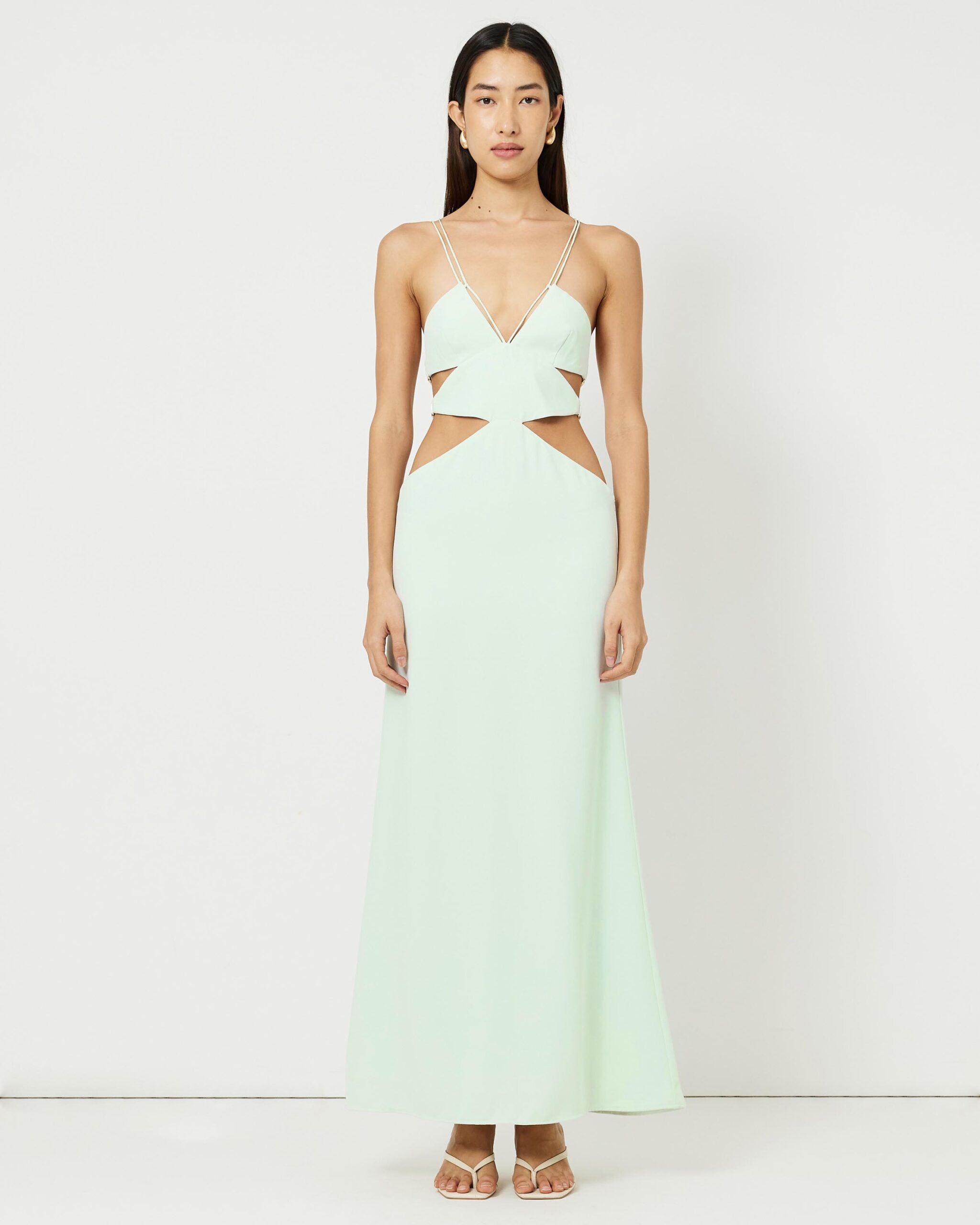
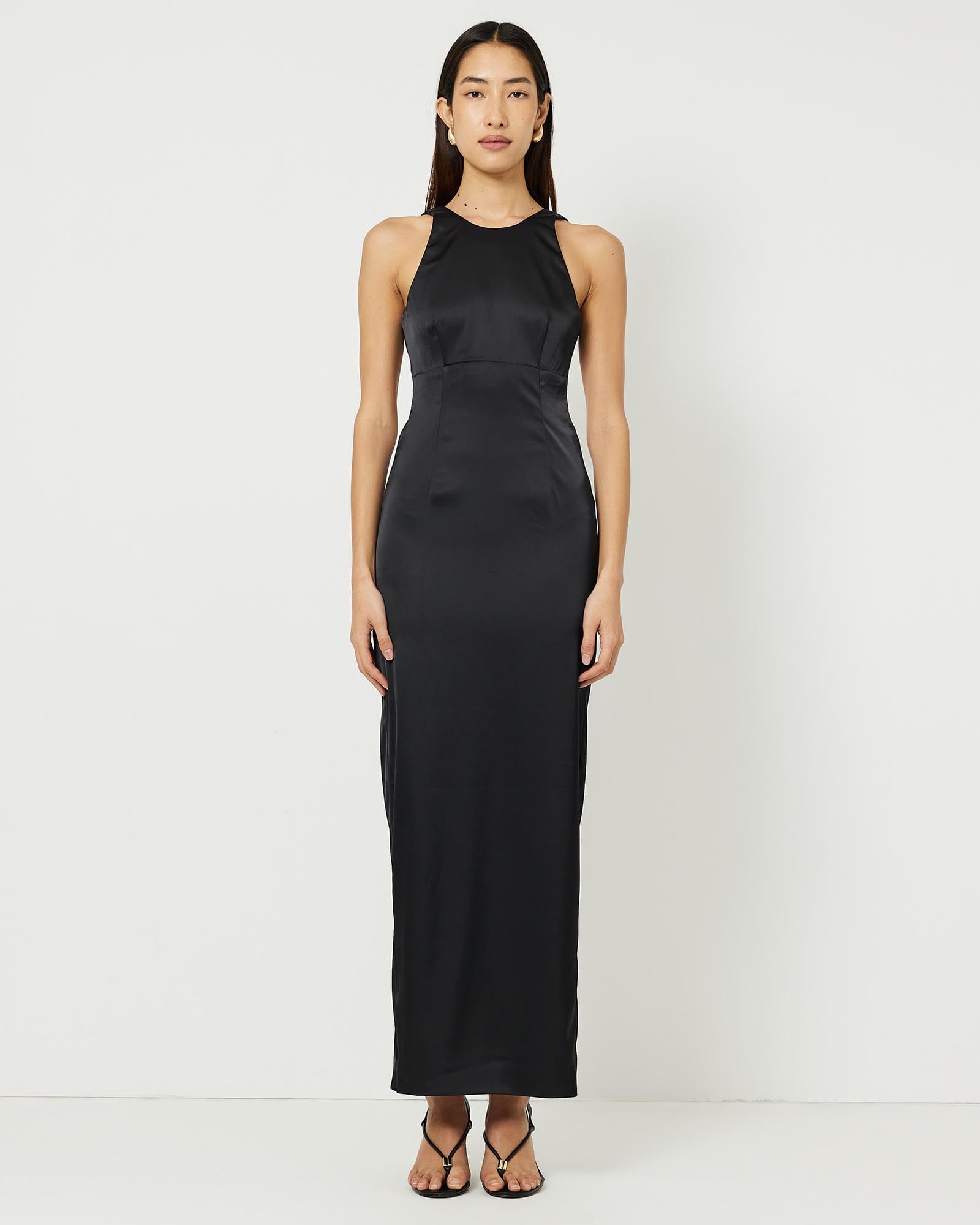
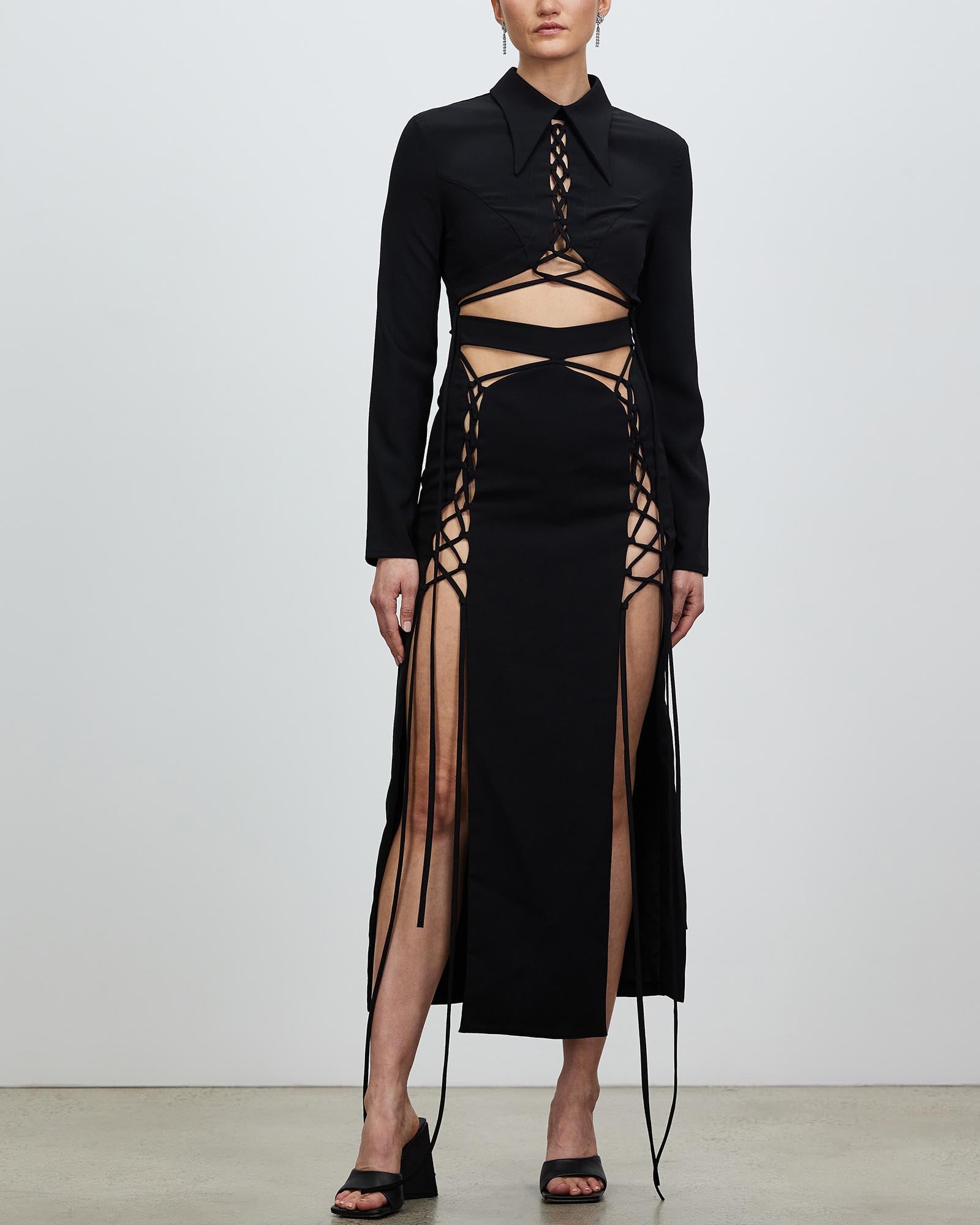
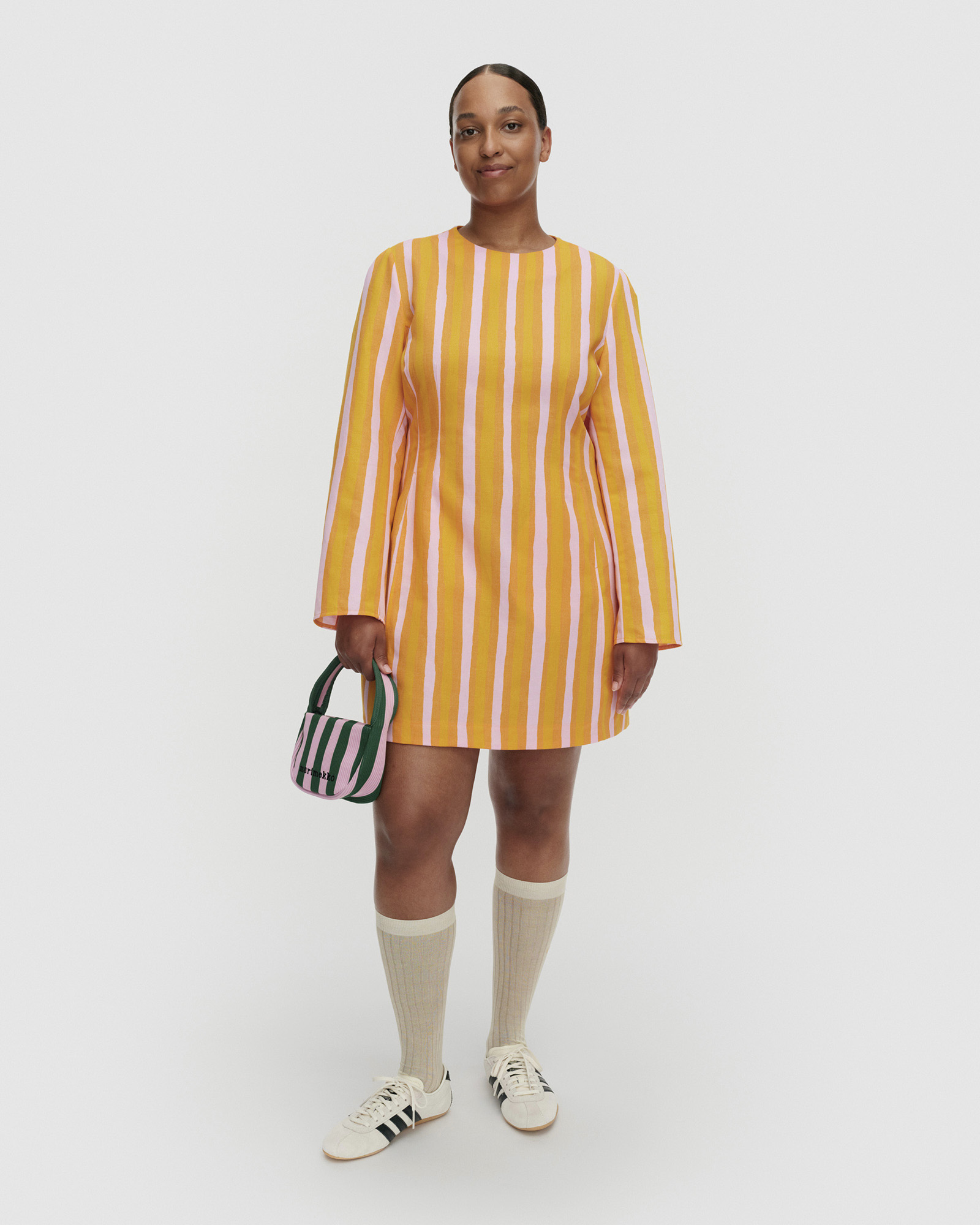
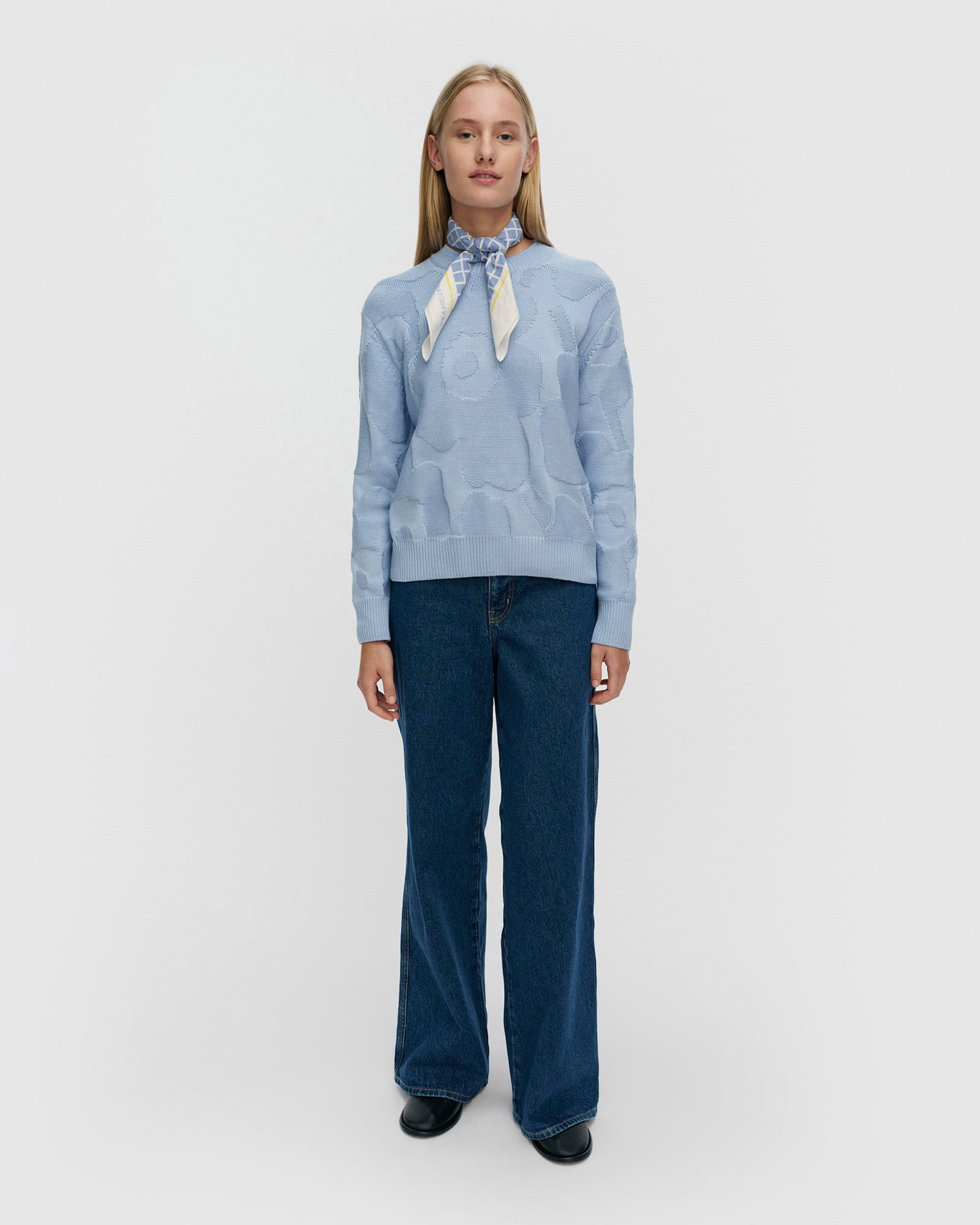
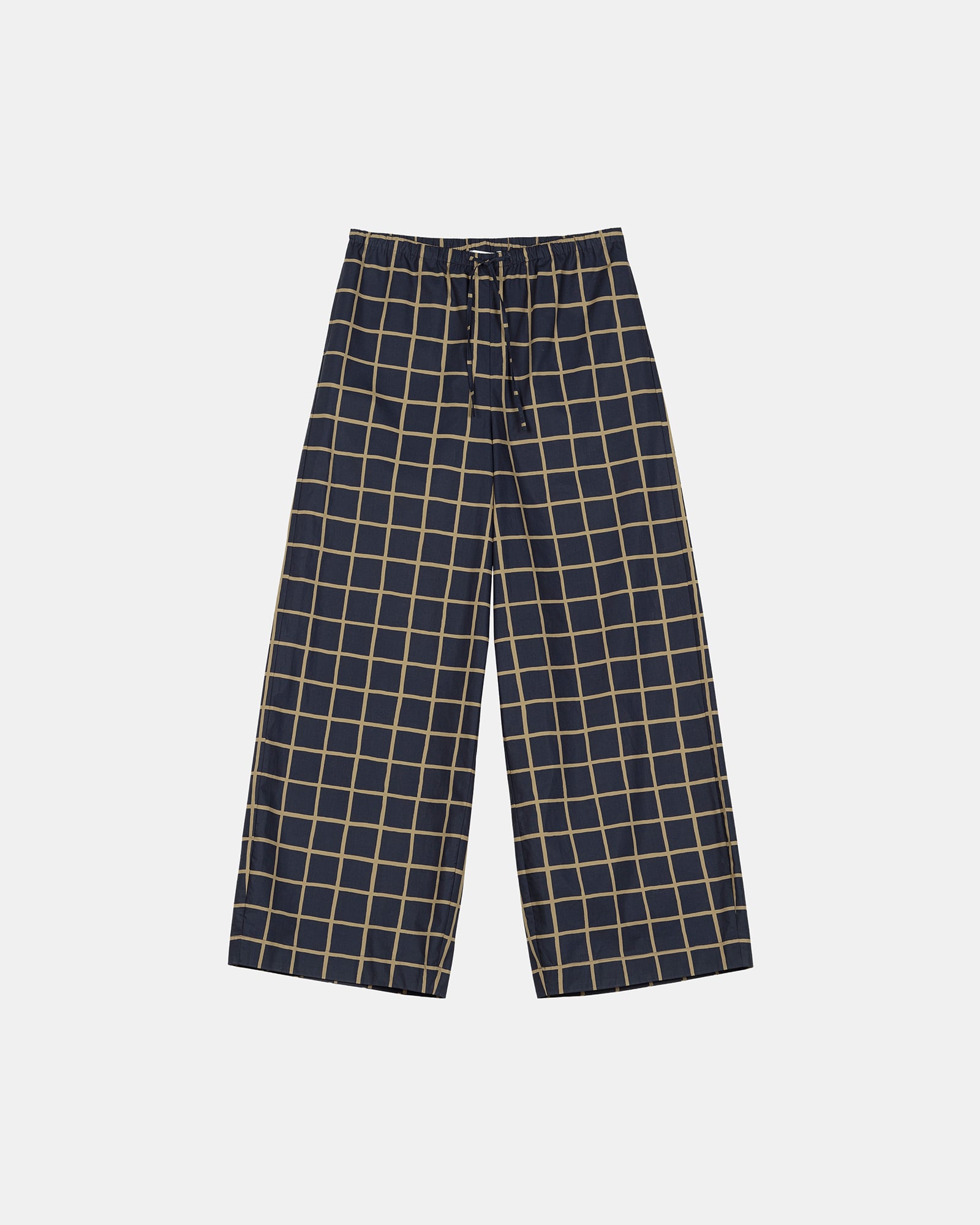
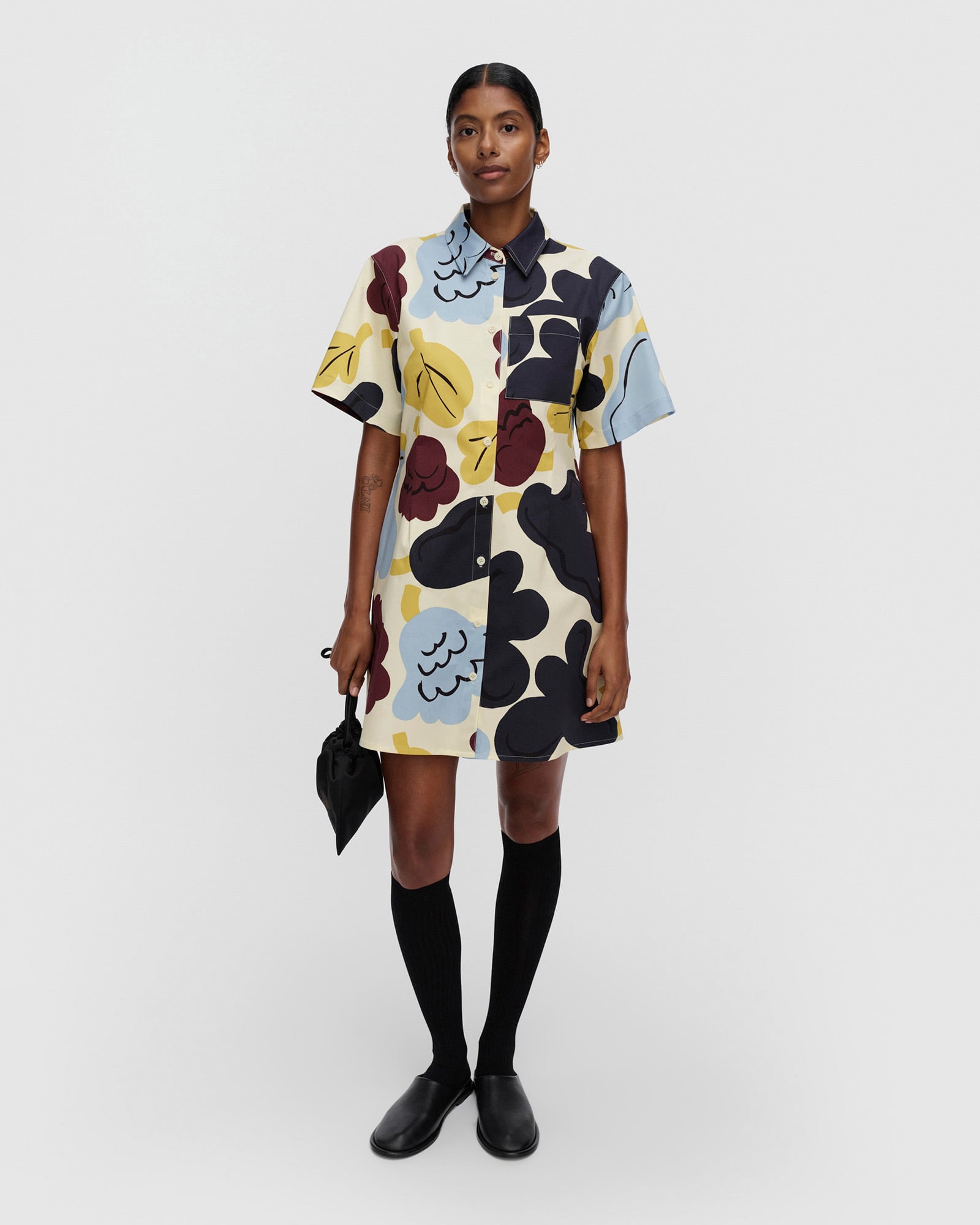
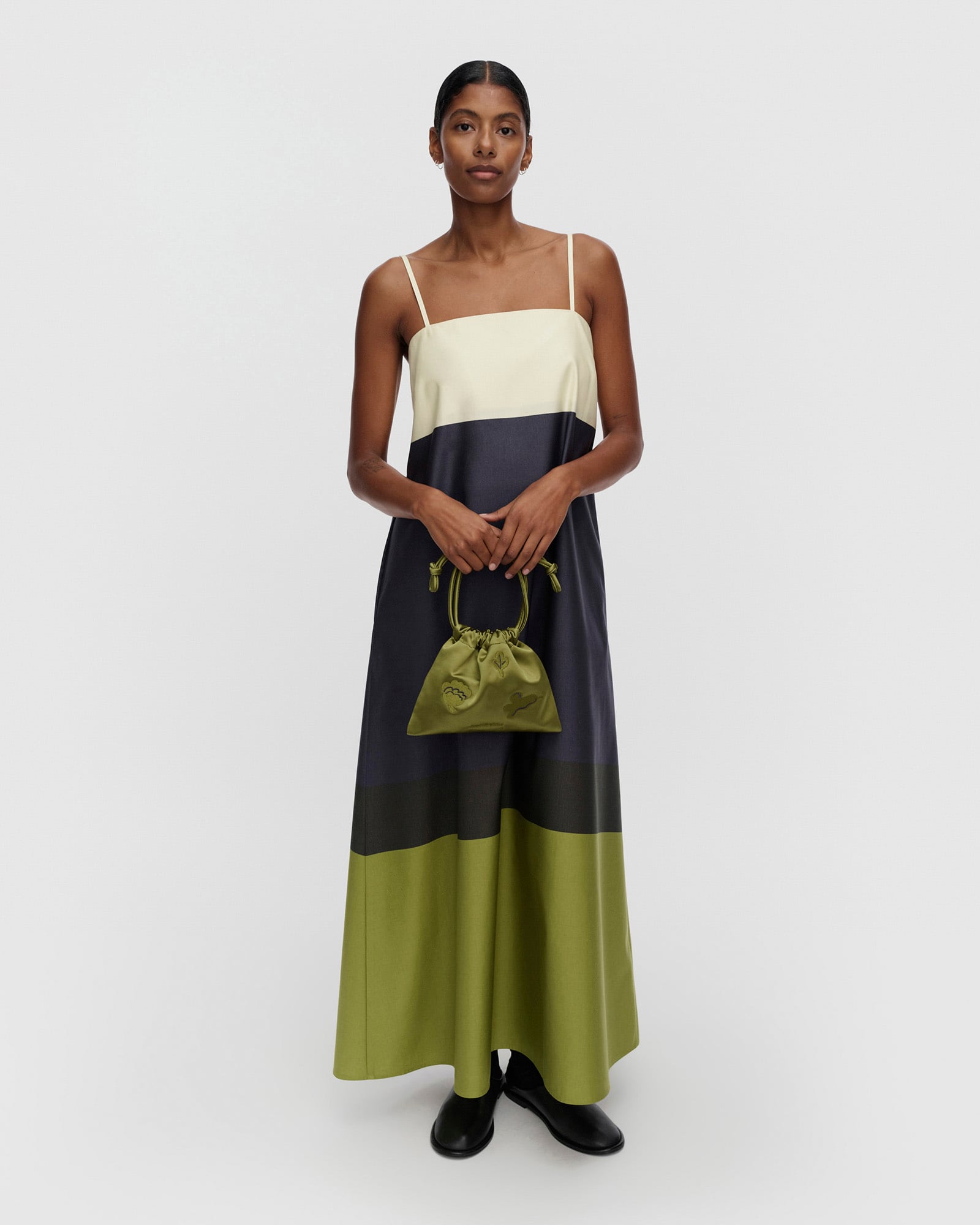
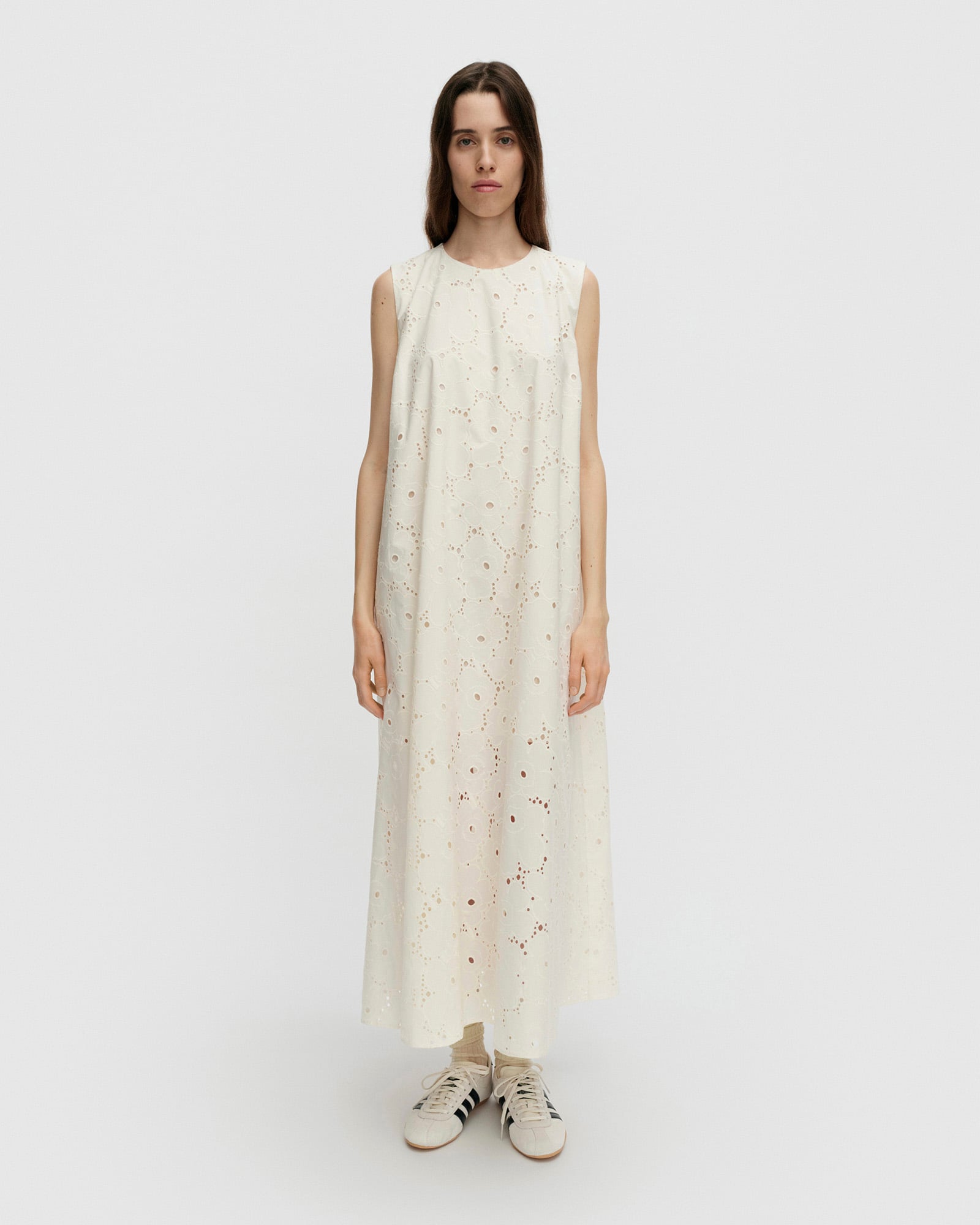
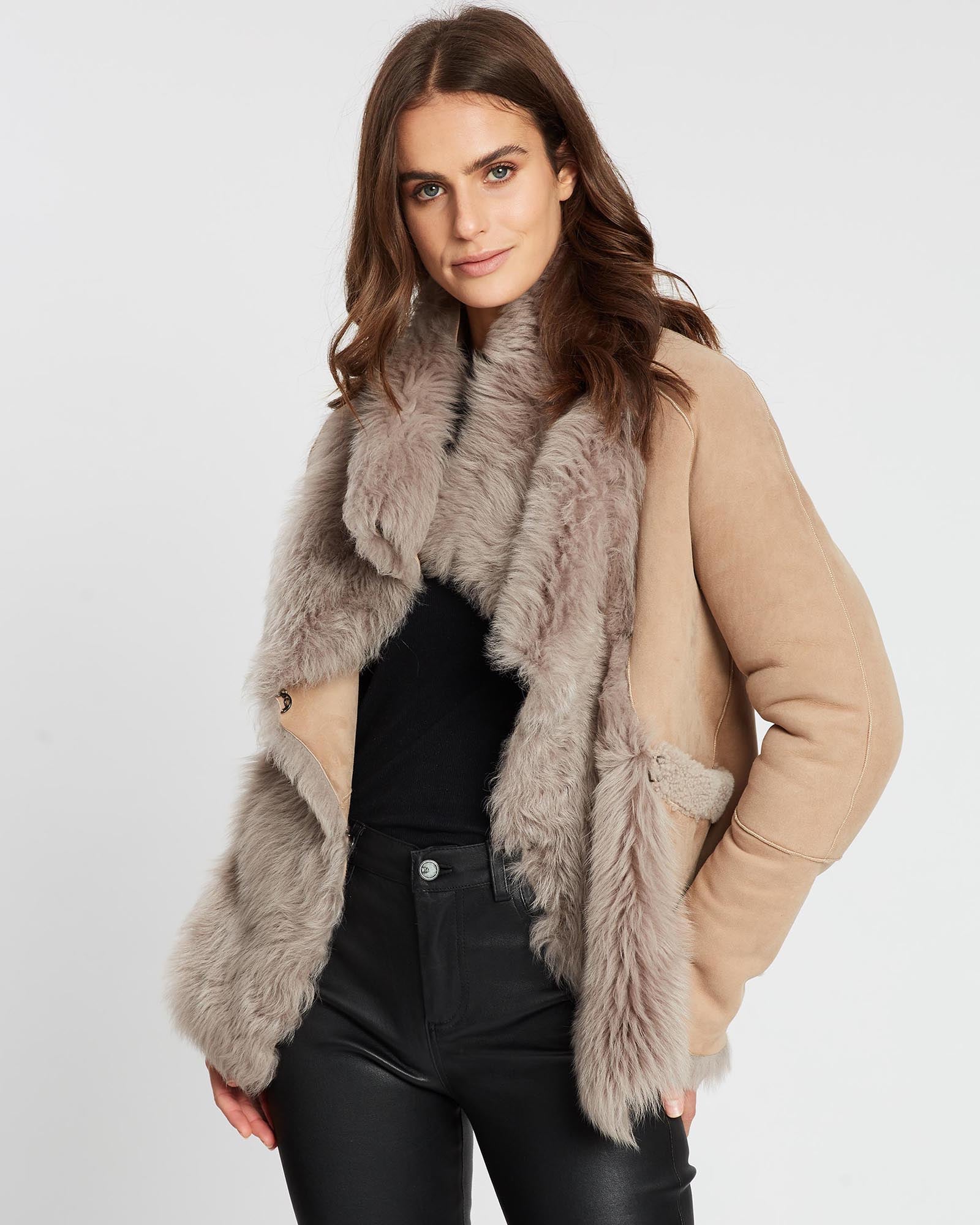
The standout shift for 2026 is the return of architectural minimalism alongside ornate embellishment. Where last year leaned heavily into maximalist prints, this season balances statement gowns with streamlined column dresses that let accessories do the talking.

Christopher Esber’s Orion Gown at $1,250 exemplifies this direction — clean lines, structured silhouette, and the signature cut-out detailing Esber has built his Australian label around. The cyan colourway reads fresh for spring without veering into pastels, and the price point sits exactly where you’d expect for a designer known for precise tailoring. This dress works beyond racing: pair it with minimal jewellery for Derby Day, then style it with a leather jacket for evening events through summer.
The construction here justifies the cost — Esber’s pieces typically feature internal boning and weighted hems that photograph well and hold shape through a full day of wear. For context, Cult Gaia and Mirror Palais occupy similar price tiers but lean more directional — Esber remains the safer bet if you need a dress that works across multiple dress codes.
Mirror Palais Tea For Two Mini Dress ($975) represents the opposite approach — vintage-inspired, print-forward, and designed to make an entrance. The tea dress silhouette works for Oaks Day or Stakes Day where mini lengths are permitted, though you’ll want to check specific racecourse guidelines. The pink print has enough visual interest to anchor an outfit without additional statement pieces.
Mirror Palais positions itself in the resort wear category, which means seasonal relevance is the trade-off for that distinctive aesthetic. This dress will turn heads in spring and summer, but the lightweight construction and specific print make it less versatile than something like the Esber gown. Worth it if you value uniqueness over year-round wearability — less so if you need one dress to cover multiple occasions.
The Ultra-Luxury Tier

At $11,900, the Oscar de la Renta Porcelain Flower Embroidered Cap-Sleeve Gown sits at the apex of spring racing investment pieces. The hand-embroidered detailing and cap-sleeve construction place this firmly in the formal gown category — ideal for Lexus Melbourne Cup Day or Chairman’s Club enclosures where full-length gowns are expected.
The price reflects Oscar de la Renta’s position as a heritage American house with couture-level construction. For comparison, Australian designers like Esber and Zimmermann typically cap out around $2,000-$3,000 for occasion wear, while international houses like Valentino and Oscar de la Renta command five-figure price points for embellished pieces. The question is whether the embroidery work and brand prestige justify that gap — and for some buyers attending high-stakes racing events, the answer is yes.
This dress works best for buyers who already own mid-tier racing pieces and want a statement gown that photographs distinctively. It’s less practical as a first racing purchase unless budget isn’t a constraint.

Cult Gaia’s Sita Gown ($9,100, reduced from $12,200) occupies the space between Esber’s architectural minimalism and Oscar de la Renta’s embellished luxury. The malachite green reads distinctly spring, and Cult Gaia’s signature sculptural approach means this gown has enough visual interest to stand alone without heavy accessories.
The $3,100 discount brings this closer to accessible luxury territory, though it’s still triple the price of the Esber gown. Cult Gaia pieces tend to photograph exceptionally well — a consideration if social media presence matters for your racing outfit. The trade-off is that Cult Gaia’s aesthetic skews contemporary and trend-aware, which can date faster than classic silhouettes.
The Mid-Tier Sweet Spot
Between $200-$500 sits the most competitive segment of spring racing dresses — high enough for quality construction, low enough for most buyers to justify a seasonal purchase.

Cue’s Pink Shadow Floral Twist Midi Dress at $209 (down from $299) hits the brief for buyers who need something elegant without the investment piece price tag. The midi length works for most racecourse dress codes, and the floral print reads spring-appropriate without being overly literal. Cue’s Australian presence means easier sizing consistency and returns compared to international brands.
The twist detail adds visual interest at a lower price point than the structured pieces from Christopher Esber, though you’re trading tailoring complexity for accessibility. This dress works best paired with a structured fascinator and tailored accessories — let the styling elevate the outfit rather than expecting the dress to carry the entire look.
For buyers comparing within this tier, Bondi Born’s Kobe Maxi Column Dress ($450) offers another Australian option with cleaner lines and resort-to-racing versatility. Bondi Born typically uses heavier-weight fabrics than Cue, which translates to better drape but less breathability on warm spring days.
Budget-Conscious Racing Wear

St Frock’s Wynter Maxi Dress at $60 (reduced from $119.95) represents the accessible end of spring racing options. The rust chiffon works for autumn-toned colour palettes, and the maxi length provides appropriate coverage for general admission areas at most racecourses.
The reality at this price point is that you’re getting seasonal wear, not investment pieces. The chiffon will require careful handling, and the construction won’t match the internal structure of designer pieces. But for buyers attending one or two race days per season, or those who prefer to update their racing wardrobe annually, St Frock delivers appropriate aesthetics at a fraction of designer pricing.
The sizing runs true to Australian standards, and the brand’s local presence means straightforward returns. Pair this with structured accessories and tailored outerwear to elevate the overall look — a well-chosen fascinator and leather clutch will do more heavy lifting here than with higher-priced options.
Navigating the $500-$6,000 Gap
The data reveals a notable jump from mid-tier pieces around $450-$975 directly to ultra-luxury above $9,000. This gap represents a real challenge for buyers seeking investment-level quality without five-figure pricing.
Valentino’s Lace-Trimmed Linen Midi Dress at $5,740 partially fills this space — designer credentials with lighter construction than full evening gowns. The linen fabrication suits Australian spring temperatures better than heavier materials, and the lace trim provides enough detail to read as special occasion wear without embellishment that limits rewear potential.
Valentino’s pricing reflects the international luxury tier, positioned above Australian designers but below couture-level pieces. For buyers weighing this option, consider whether the Valentino name and Italian construction justify nearly five times the cost of the Christopher Esber gown, which offers comparable versatility with stronger architectural detailing.
What Actually Matters for Spring Racing
Length remains the primary consideration — most racecourses require knee-length minimum, with some enclosures expecting full-length gowns. The Mirror Palais mini works only in specific areas at specific events, while maxi and midi options provide broader flexibility.
Fabric weight determines comfort across spring’s temperature swings. Lightweight linen and chiffon pieces like the Valentino and St Frock options work for warm afternoons but require layering for cooler evening events. Structured pieces with internal boning (Christopher Esber, Cult Gaia) maintain shape across longer wear periods.
Colour choice affects versatility beyond racing season. The Christopher Esber cyan and Cult Gaia malachite read distinctly spring without being exclusively seasonal. The Mirror Palais pink and Cue floral lean more occasion-specific, which limits rewear potential for non-racing events.
Who Should Prioritise Which Price Point
First-time racing attendees in general admission areas should start at the St Frock or Cue tier ($60-$250) to establish whether spring racing becomes an annual commitment. The lower investment risk makes sense when dress code requirements and personal style preferences are still being tested.
Regular attendees moving into members’ areas benefit from the Christopher Esber or Bondi Born range ($450-$1,250) — enough construction quality to photograph well and withstand full-day wear, priced low enough to build a rotation of 3-4 racing dresses without excessive outlay.
Premium enclosure regulars or those attending multiple high-profile events justify the Cult Gaia or Oscar de la Renta tier ($9,000+) where distinctive pieces and luxury positioning align with the social context. At this level, racing dresses become part of a broader formal wardrobe strategy rather than standalone purchases.
The Styling Investment Beyond the Dress
Worth noting: accessories often determine whether a racing outfit succeeds more than the dress price point. A $200 Cue dress with a $300 sculptural fascinator and structured clutch will consistently photograph better than a $1,200 gown paired with generic accessories.
The St Frock buyer should allocate equal budget to headwear and shoes. The Oscar de la Renta buyer can assume the dress carries the outfit and keep accessories minimal. The mid-tier Christopher Esber or Mirror Palais buyer falls somewhere between — the dress provides enough visual interest to anchor the look, but thoughtful accessorising elevates the overall presentation.
Spring racing in Australia rewards strategic dressing more than pure budget. The $60-$11,900 range documented here reflects genuine quality tiers, but the most successful racing outfits come from understanding which tier serves your specific needs — then styling accordingly.
💌 Get the Weekly Style Edit
Curated fashion picks, new brand alerts, and sale notifications. Delivered every Wednesday.
Liked this?
Read our Spring 2026 Style Report — then get picks like these every Thursday from 800+ brands.
Join The Edit →