
There’s an aesthetic that hovers somewhere between West Coast ease and Parisian restraint — not quite effortless, not quite structured. FRAME has spent over a decade refining that balance, building a line that reaches beyond the denim it started with into suede trenches priced at $4,000 and minimalist day dresses that land around $500. The question isn’t whether FRAME looks good on the hanger. It’s whether what you’re paying for translates into something you’ll reach for beyond the first season.
With prices spanning $323 to just under $4,000 AUD across the pieces we’ve tracked, FRAME occupies a tier where details matter — and where comparison shopping becomes essential. Miss Nelly Boutique aggregates pricing across Australian stockists so you can see where the markups land and which pieces offer the strongest value relative to their construction and versatility.

Where FRAME Sits Next to Vince, Equipment, and Zimmermann
Shop FRAME at Miss Nelly


FRAME emerged from the same Los Angeles denim wave as Paige and Citizens of Humanity, but it pivoted faster into ready-to-wear with a cleaner, more editorial sensibility. The silhouettes lean minimal — shift dresses, collarless jackets, strapless minis that don’t rely on embellishment to justify their price. That puts FRAME closer to Vince in ethos (understated, wearable, expensive for what it is) but with sharper tailoring and a stronger point of view.
Compared to Equipment, FRAME skews dressier and more structured. Equipment built its reputation on silk shirts; FRAME’s strength is in suiting fabrics, heavyweight linens, and suede treatments that feel substantial rather than floaty. The Plaid Mac Coat at $1,998 is a good example — it’s tailored like outerwear, not a lightweight layering piece, and the price reflects that weight.
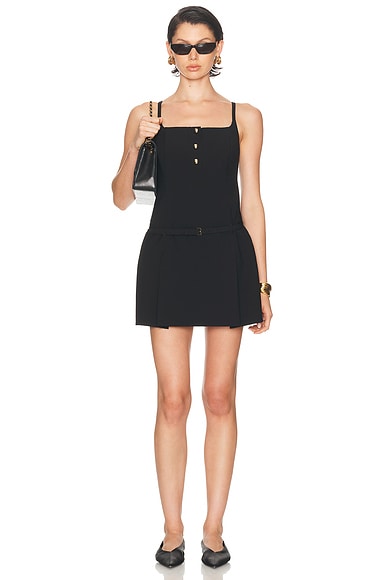
Against Zimmermann, FRAME reads as the restrained alternative. Where Zimmermann leans into print, ruffles, and romantic volume, FRAME strips back to solid colours, clean lines, and architectural cuts. If you’re drawn to Zimmermann’s aesthetic but find the embellishment overwhelming, FRAME offers a more subdued entry point — though at a price tier that’s not dramatically lower. The Strapless Mini Dress at $613 is indicative: simple, body-conscious, designed to let the wearer (and styling) do the work.

What You’re Actually Paying For
FRAME’s pricing sits in an awkward middle ground. It’s too expensive to qualify as accessible contemporary, but not quite at the tier where you expect hand-finished details or limited-run production. What you do get is consistency — clean construction, reliable fits across seasons, and fabrics that photograph well without feeling costume-like.
The suede pieces are where FRAME justifies its upper-range pricing. The Suede Trench Jacket at $3,999 is a significant investment, but suede at that scale (full-length, structured, lined) holds resale value better than printed silk or jersey. The Suede City Shift, marked down from $2,306 to $1,615, offers similar texture and visual weight in a dress silhouette that works across seasons with layering.
On the lower end, pieces like the Pinstripe Suiting Dress at $323 (reduced from $921) represent better entry points. The construction is simpler — no lining complexity, straightforward seaming — but the fabrication (suiting-weight wool blend with lurex pinstripe) elevates it beyond typical work dresses in the same price range.

Fits, Fabrications, and What to Watch For
FRAME runs true to size through the bust and waist but tends toward longer, leaner proportions. If you’re petite or prefer cropped hemlines, expect tailoring costs. The Linen Day Dress at $479 is cut for height — it’s designed to skim the ankle on someone 175cm+, which means it’ll pool on shorter frames.
Strapless styles like the Strapless Mini at $613 are boned but not aggressively so. They rely on a snug fit through the ribcage rather than heavy internal structure, which means they’re more comfortable for extended wear but less forgiving if you size up. Stick to your true size or risk the bodice slipping.
The linen pieces — like The Safari Dress at $450 and The Play Dress at $477 — are mid-weight, not the crisp, structured linen of luxury European labels. They soften and wrinkle with wear, which suits the relaxed aesthetic but won’t hold a pressed, tailored look if that’s what you’re after.
The Pieces That Deliver on Versatility
FRAME’s strength is in pieces that slot into a existing wardrobe without demanding a full styling overhaul. The Nipped Collarless Jacket at $659 is a good example — it’s tailored enough for work over trousers, but the collarless cut and nipped waist keep it from reading as traditional suiting. Layer it over a slip dress or a simple knit, and it shifts into evening territory without looking forced.
The Mod Dress, reduced to $522 from $1,044, is another high-rotation option. The silhouette is minimal — no waist seam, no fussy details — which means it works across styling contexts. Flat sandals and a tote for day, heels and a structured bag for evening. The markdown brings it into a price range where cost-per-wear starts to make sense if you’re rotating it regularly.
Worth noting: the Lace Shift Dress at $848 is less versatile than it appears. Lace reads formal unless styled aggressively casual, and at this price point, you’re paying for a piece that only works for specific occasions. If you need a cocktail dress and this is the aesthetic you’re after, it’s well-executed — but it’s not a workhorse piece.
Where Alternatives Offer Better Value
If you’re drawn to FRAME’s minimalism but hesitant about the price, Elka Collective and Bec + Bridge offer similar silhouettes at 30-40% less. The fabrications won’t match FRAME’s suede or heavyweight linen, but for cotton and linen blends, the difference is marginal. Elka’s tailoring runs slightly boxier, which can work better for Australian climates where you want airflow rather than a close fit.
For suede specifically, Vince and Theory are direct competitors at comparable price points. Theory’s suede pieces tend toward slightly stiffer construction (more structured, less drapey), while Vince skews softer and more relaxed. FRAME sits between the two — structured enough to hold shape, soft enough to move naturally.
If you’re considering FRAME’s dresses in the $600-$900 range, Significant Other and Aje are worth comparing. Aje’s aesthetic is busier (more seaming, stronger prints), but the fabrications are comparable and the price points overlap. Significant Other leans more occasion-focused, but pieces like their slip dresses and tailored minis offer similar versatility to FRAME’s cleaner styles.

Who Gets the Most Out of FRAME
FRAME works best for buyers who’ve already established a neutral wardrobe and are looking for pieces that elevate without introducing complexity. If your closet skews toward black, white, navy, and camel, FRAME’s colour palette (sepia, mocha, soft grey, classic black) integrates seamlessly. The pieces don’t fight for attention — they rely on cut and proportion rather than pattern or embellishment.
It’s also suited to buyers who prioritise longevity over trend responsiveness. FRAME’s silhouettes don’t shift dramatically season to season, which means a dress or jacket purchased two years ago won’t read as dated. That consistency matters at this price point — you’re not chasing micro-trends, you’re building a wardrobe with pieces that stay relevant.
If you’re someone who values fabric hand-feel and construction details, FRAME delivers enough to justify the spend. The suede is buttery without being overly delicate, the linen has weight without stiffness, and the tailoring avoids the puckering and uneven seams that plague mid-tier contemporary brands. You won’t get hand-stitched buttonholes or couture-level finishing, but the quality control is consistent.
Who Should Consider Alternatives
If you prefer volume, texture, or print-driven pieces, FRAME will feel restrictive. The brand’s aesthetic is deliberately pared-back, which means there’s limited room for statement-making. Buyers who gravitate toward Zimmermann’s ruffles or Camilla’s maximalism won’t find much here that aligns with that sensibility.
Budget-conscious shoppers should also weigh whether FRAME’s mid-tier pricing offers enough differentiation from brands like Witchery or Elka Collective. The gap in fabrication exists but narrows significantly on simpler styles. A plain linen dress at $479 from FRAME isn’t dramatically superior to a $280 equivalent from a local label — you’re paying partially for brand positioning and retail distribution, not just material quality.
Petite frames may find FRAME’s proportions frustrating. The brand doesn’t offer dedicated petite sizing, and hemming costs add up quickly when nearly every piece requires adjustment. If you’re consistently altering sleeve lengths, dress hems, and trouser inseams, factor those costs into your price comparison.
Is $1,000+ for a FRAME Piece Defensible?
At the upper end — pieces like the Suede Trench at $3,999 or the Plaid Mac Coat at $1,998 — you’re paying for materials and scale. Suede outerwear and tailored wool coats in full lengths command these price points across brands. FRAME’s versions are well-executed but not exceptional; they’re on par with what you’d find from Vince or Club Monaco at similar pricing.
The value proposition strengthens when pieces hit markdown. The Suede City Shift at $1,615 (down from $2,306) becomes more compelling — you’re getting suede in a dress silhouette that’s less common than jackets or skirts, and the discount closes the gap between retail and resale pricing.
For pieces under $700, the calculus shifts. You’re no longer paying primarily for material cost — you’re paying for design, fit development, and brand. Whether that’s worth it depends on how much you value FRAME’s specific aesthetic over comparable pieces from Bec + Bridge, Significant Other, or Elka. Browse pricing across stockists via Miss Nelly Boutique to see where markdowns land; FRAME’s mid-tier pieces often see 30-40% reductions, which brings them into better alignment with their actual construction value.
💌 Get the Weekly Style Edit
Curated fashion picks, new brand alerts, and sale notifications. Delivered every Wednesday.
Liked this?
Read our Spring 2026 Style Report — then get picks like these every Thursday from 800+ brands.
Join The Edit →