
Picture two invitations on the fridge: a long lunch that runs into golden hour, and a Thursday client dinner where the blazer has to do some talking. Reach for one wardrobe and you’ll find a printed maxi with a built-in resort feel. Reach for the other and it’s tailored jackets in cashmere blends and quiet, expensive-looking basics. That split is essentially the whole story of Amanda Uprichard versus Anine Bing — two American labels that Australian shoppers keep putting side by side, even though they’re solving different dressing problems.
What Makes Them Different
Amanda Uprichard built its name on print-driven occasionwear — maxi dresses, capelet gowns, rompers and jumpsuits designed to be the focal point of a room, not a supporting layer. The silhouettes lean romantic: fitted bodices, dramatic sleeves, sequin and stripe prints that don’t try to hide. Prices sit between $247 and $436 across the current range, which places it firmly in the “special dress, not everyday basics” bracket.
Anine Bing works from the opposite instinct. The Los Angeles label’s strength is quiet, structured pieces — blazers, jackets, tailored shirting — built to be worn on repeat rather than photographed once. Its price range runs higher, from $369 sunglasses up to a $1,099 cashmere-blend blazer, which puts it closer to contemporary tailoring houses than occasionwear labels. Where Amanda Uprichard sells a moment, Anine Bing sells a uniform.
Their Strongest Category
Amanda Uprichard’s occasionwear is where the value case is clearest. The Elroy Maxi at $429 and the Elyna Capelet Dress at $397 both do the job a single occasion dress needs to do — draw attention without needing a stylist to make them work. The Esther Gown in sequin, at $436, is the label at its most maximalist, and it’s priced well below what a comparable sequin gown costs from most eveningwear specialists.
The Elroy Top in Manchester pinstripe is the entry point at $247 — a way to try the brand’s print sensibility without committing to a full dress. It’s the most cost-effective piece in the range and reads more transitional, wearable with tailored trousers rather than saved for one wedding.

Anine Bing’s strongest category is outerwear and tailoring. The Quinn Blazer in black cashmere blend is the top of the range at $1,099, and it’s built to anchor a work wardrobe for years rather than one season. The Quinn Blazer in butter yellow ($899) shows the same tailoring in a colour that works as the statement piece in an otherwise neutral outfit. Both sit at a price point where you’re paying for the cut and the fabric, not a print.
The Odin Jacket in beige ($899) and the Quincy Jacket in cascade blue ($579) round out a jacket wardrobe that spans smart-casual to full tailoring — genuinely a different use case to anything in the Amanda Uprichard range.

Where to Be Selective
With Amanda Uprichard, the prints are the product — which means they’re also the risk. A bold sequin or stripe piece has a shorter styling life than a plain block colour, so it’s worth being honest about how many occasions you’ll actually wear it to before buying at the $400+ end of the range. The Fae Romper ($366) and Evianna Jumpsuit in black ($392) are the more versatile picks in the range if you want the label’s fit without the print commitment.
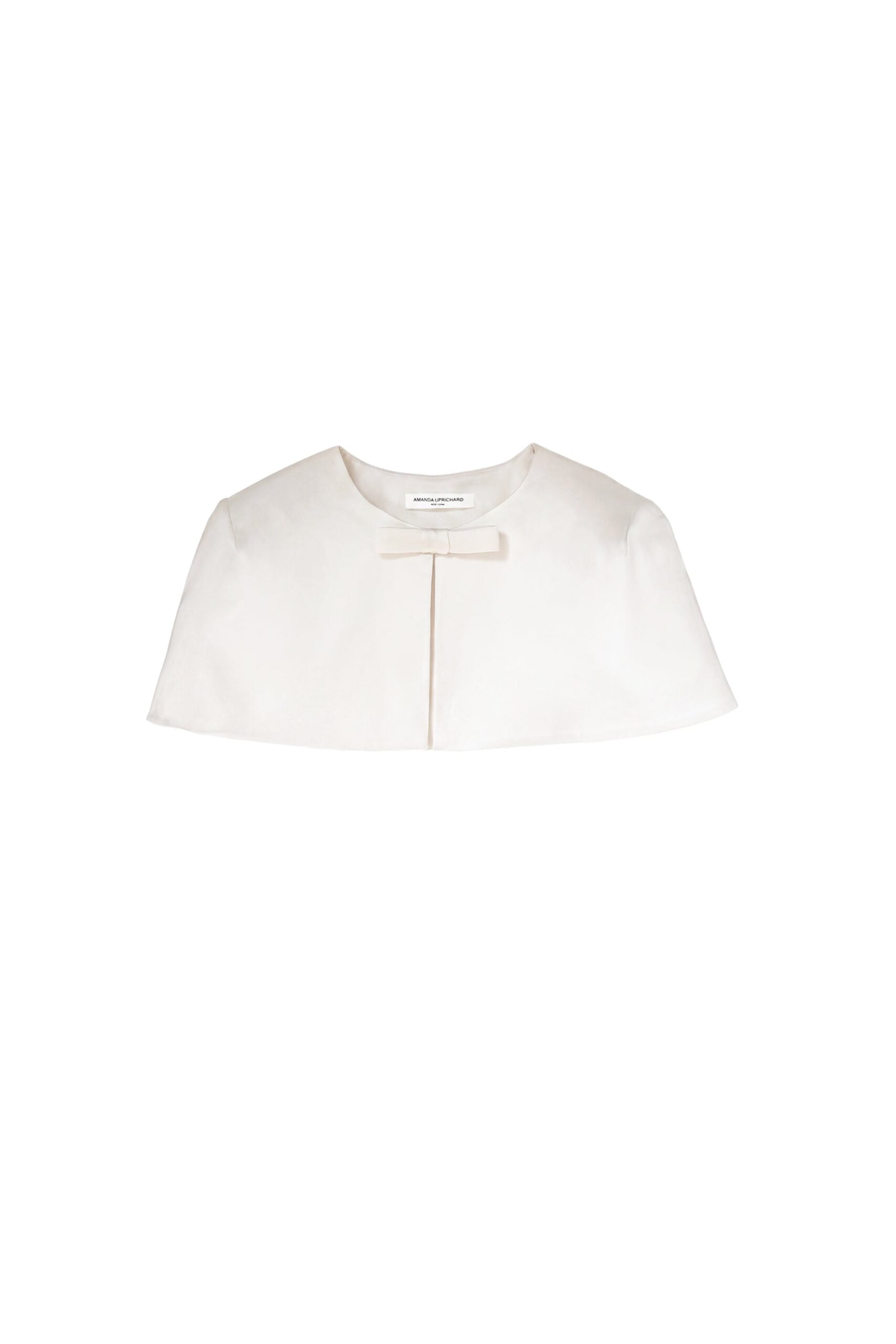
With Anine Bing, the selectivity is about price-per-piece rather than styling risk. At $899–$1,099, the blazers and jackets are a considered purchase — worth it if you’re replacing a wardrobe staple you’ll wear weekly, less so as an impulse buy. The Paris Sunglasses ($369) and Paloma Espadrilles in sage ($499) are a lower-commitment way into the brand’s aesthetic if the blazers feel like a bigger spend than you want to make first.

The Peclers Studio Customer vs. the Reformation Customer
Anine Bing’s tailoring competes most directly with labels like Rag & Bone and Vince — contemporary American brands built around structured, wear-everywhere pieces at a similar $600–$1,100 mark. If you already shop that tier for blazers and jackets, Anine Bing slots straight in, with a slightly more directional, Scandi-influenced cut.
Amanda Uprichard sits closer to Australian resort and occasion labels in the $300–$500 range — the customer buying one standout dress for a specific event, not building a five-day workwear rotation. The Anine Bing Noemi Dress ($569) is the closest crossover point between the two brands — a printed dress from a tailoring-first label — and it’s worth comparing directly against the Amanda Uprichard maxis if you’re deciding between the two for one event.

Who It’s Perfect For
Amanda Uprichard suits the shopper who has a wedding, a milestone birthday, or a resort trip on the calendar and wants a dress that does the outfit-building for them. It rewards buying for a specific occasion rather than a general wardrobe gap — the prints and structured bodices are built to be noticed, so they work best when that’s exactly the brief.
Anine Bing suits the shopper building a working wardrobe of pieces that need to earn their place through repeat wear — the blazer worn to three meetings a week, the jacket that goes over everything from a dress to jeans. It’s a better fit for someone thinking in cost-per-wear over a year rather than cost of one outfit.
If your wardrobe gap is “I need one incredible dress,” start with Amanda Uprichard. If it’s “I need my jacket and blazer rotation to look more considered,” Anine Bing is the stronger investment.
The Short Version
These aren’t really competitors — they’re answers to two different wardrobe questions. Amanda Uprichard, from $247 to $436, is built for the dress that has to perform on one specific day. Anine Bing, from $369 to $1,099, is built for the jacket or blazer you’ll reach for every week. Buy Amanda Uprichard for the event on the calendar. Buy Anine Bing for the wardrobe you’re building around it.
Liked this?
Read our Spring 2026 Style Report — then get picks like these every Thursday from 800+ brands.
Join The Edit →